
The establishment of a fuel station in Turkey is regulated under a comprehensive legal framework that ensures safety, environmental compliance, and fair competition in the energy market. Investors aiming to set up a fuel station must comply with the Energy Market Regulatory Authority (EPDK) requirements, obtain various licenses, and meet strict construction, operational, and environmental […]

In recent years, Turkey has emerged as one of the leading markets for cryptocurrency adoption. The growing public interest in digital assets, blockchain technology, and fintech solutions has triggered a surge in entrepreneurs seeking to establish cryptocurrency-related companies. However, the legal landscape for cryptocurrency businesses in Turkey remains complex and is evolving rapidly. This article […]

Turkey is one of the world’s leading countries in terms of geothermal resources, ranking among the top five globally. Thanks to its tectonic structure, Turkey has substantial potential for geothermal energy production, especially in the Aegean, Central Anatolia, and Marmara regions. With an evolving legal infrastructure and government incentives, establishing a geothermal energy company in […]
Demand for renewable energy sources in Turkey has risen rapidly in recent years. Wind energy, in particular, offers significant potential to investors thanks to Turkey’s geographical advantages and favorable climate. However, entrepreneurs aiming to establish a wind energy company must meticulously follow numerous legal, procedural, and operational requirements. This article provides a comprehensive review of […]
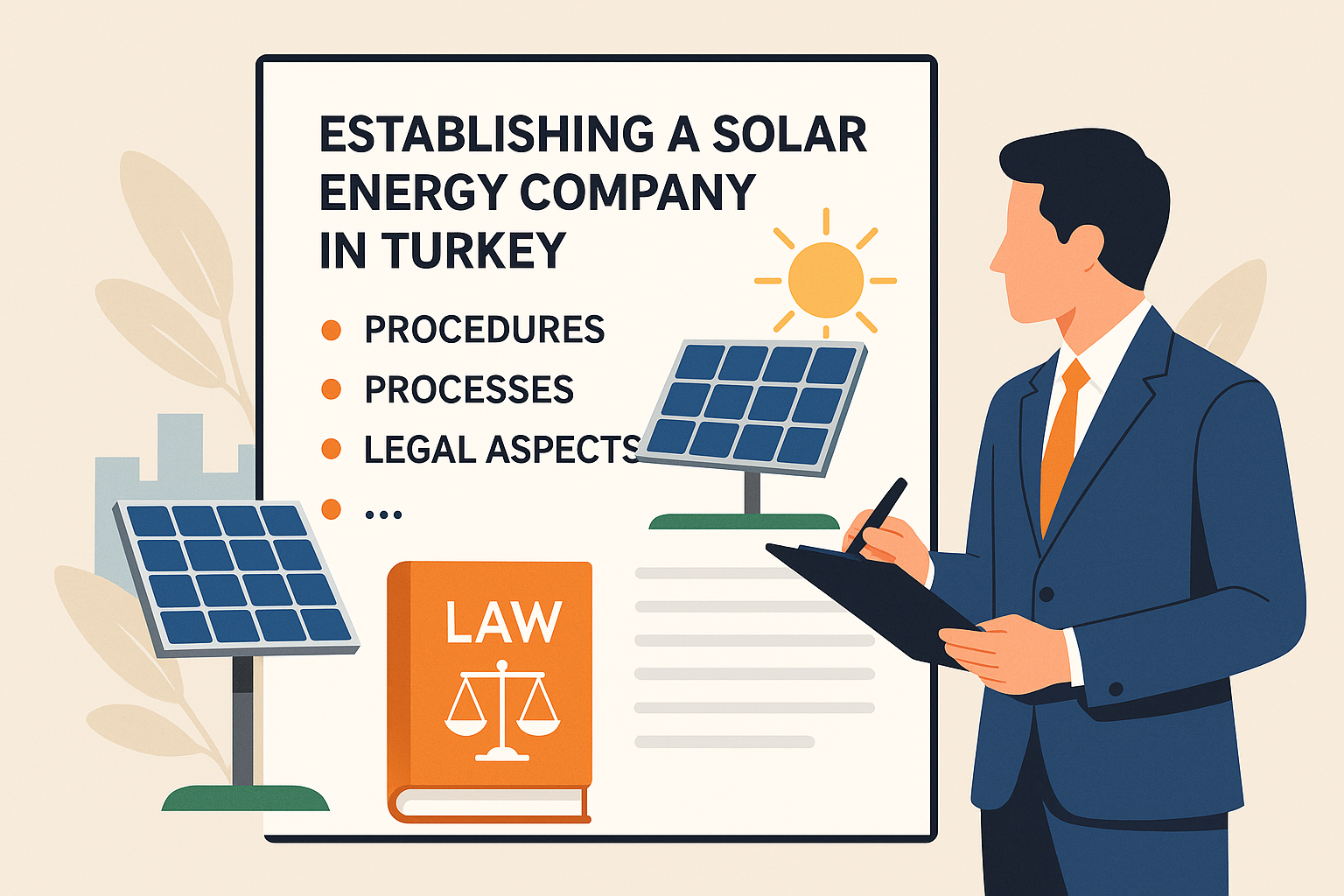
Introduction Turkey, with its abundant sunlight and increasing focus on renewable energy, offers significant opportunities for entrepreneurs and investors aiming to establish a solar energy company. However, the regulatory landscape is complex, and navigating through the establishment process requires a thorough understanding of both the procedural and legal requirements. This article provides a comprehensive guide […]
2.1 Corporate Form Selection Crypto companies are generally established as joint stock companies (A.Ş.) or limited liability companies (Ltd. Şti.) according to the Turkish Commercial Code. For regulatory reasons, joint stock companies are often preferred, especially for larger platforms. 2.2 Drafting Articles of Association The articles of association must specify: 2.3 Application for Company Name […]

The collapse of a building or the use of unauthorized materials during construction can result in devastating human and economic consequences. These failures often expose not only contractors and engineers but also real estate company managers to civil and criminal liability. In Turkey, as in many other jurisdictions, real estate company managers are no longer […]

Acquiring real estate in Turkey—whether for personal investment, corporate development, or as part of a broader business strategy—requires careful and comprehensive due diligence. Neglecting pre-acquisition controls can result in costly litigation, project delays, or even annulment of property rights. This article outlines the legal, technical, and practical aspects of due diligence that real estate investors […]

The real estate sector in Turkey is governed by a well-defined legal framework that regulates company formation, property acquisition, construction, leasing, and financial operations. This framework is essential for both domestic entrepreneurs and foreign investors who seek clarity and legal certainty in conducting business. In this article, we explore the core Turkish legislation that applies […]
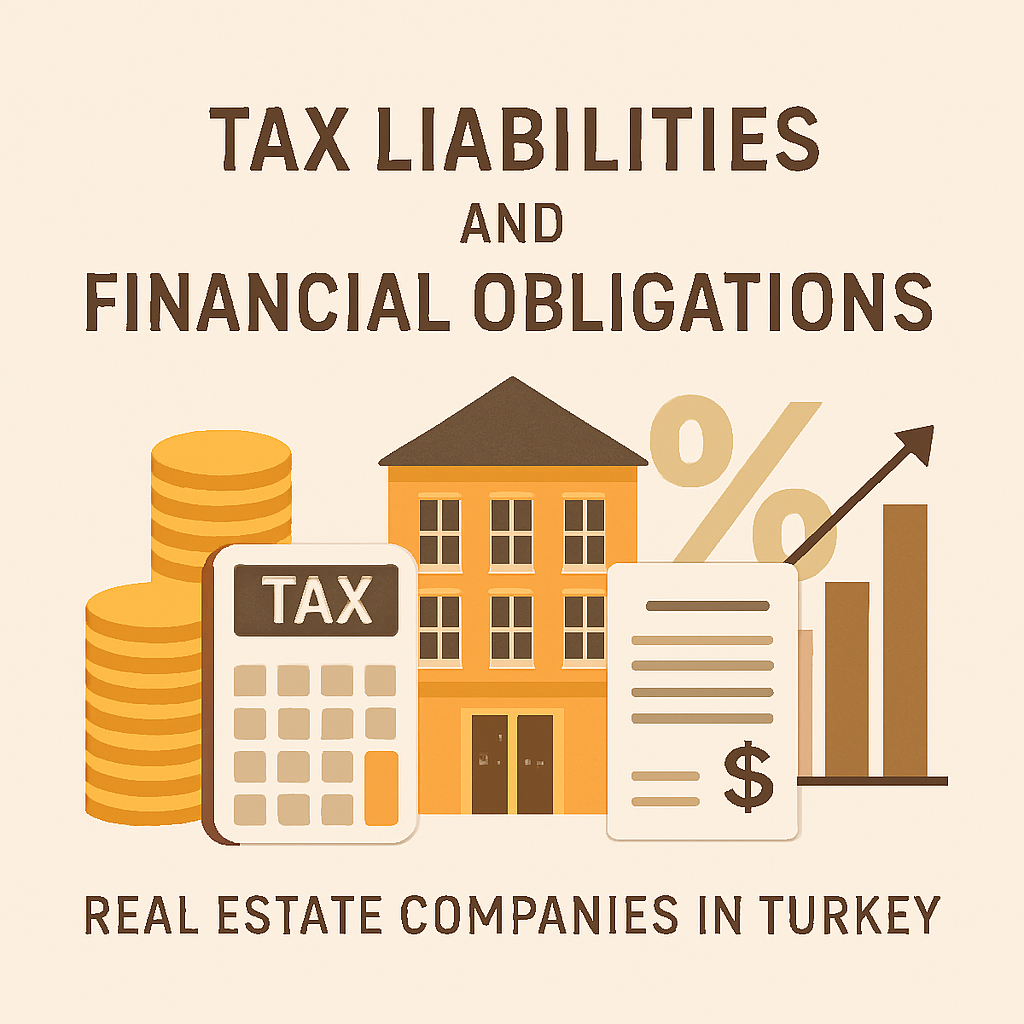
Créer une société immobilière en Turquie implique non seulement des démarches juridiques, mais aussi des engagements fiscaux. Les entreprises immobilières, qu'elles soient spécialisées dans la promotion, la location ou le courtage, doivent se conformer à diverses règles fiscales et obligations financières définies par le droit turc. Cet article examine les principales responsabilités fiscales, les obligations de reporting financier et les aspects pratiques à prendre en compte