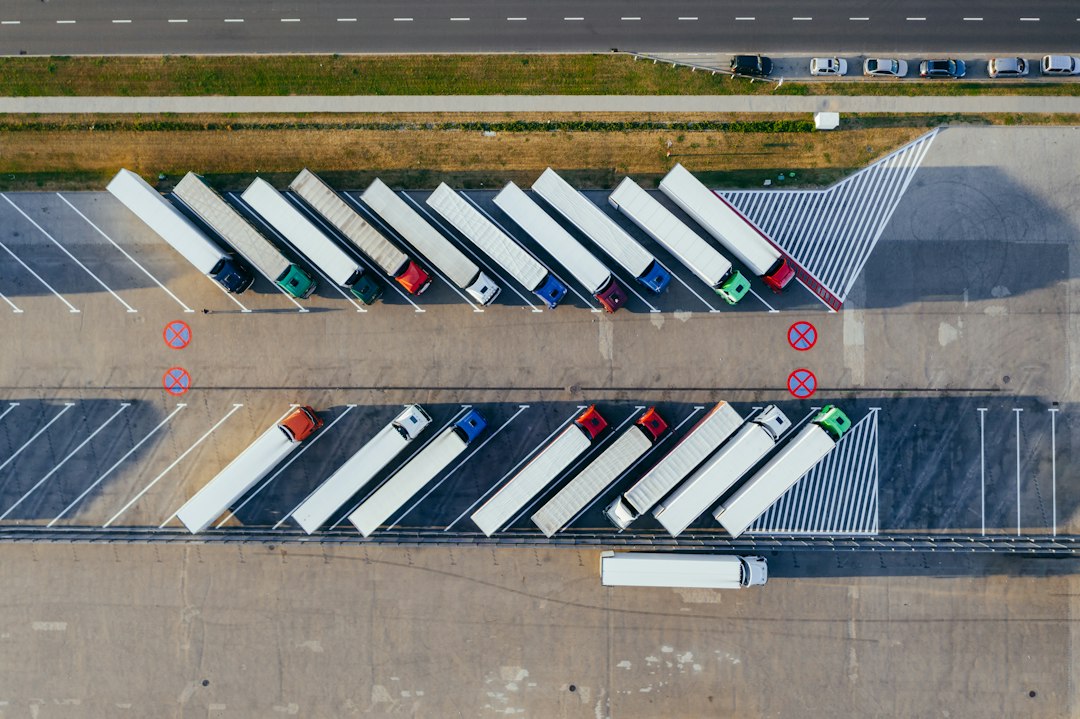
Photo: Marcin Jozwiak / Unsplash
At a glance · Important questions
| 1. Regulatory Compliance for Transportation Companies |
| 2. Insurance Requirements for Transportation Operators |
| 3. Legal Issues Surrounding Cargo Transportation |
Regulatory Compliance for Transportation Companies
Regulatory compliance is a crucial aspect for transportation companies to ensure smooth operations and maintain legal compliance. It involves adhering to the rules and regulations set by governing authorities that oversee the transportation industry. Failure to comply with these regulations can result in severe consequences, including fines, penalties, and even the suspension of operations.
One of the key areas of regulatory compliance for transportation companies is ensuring the safety of their vehicles and drivers. This includes regular maintenance and inspection of vehicles, ensuring driver qualification and training, and implementing safety protocols. Companies must also abide by regulations regarding hours of service, which limit the number of hours a driver can be on the road to prevent fatigue-related accidents.
In addition to safety regulations, transportation companies must also comply with various other regulatory requirements. This includes obtaining the necessary permits and licenses to operate legally. Depending on the type and scope of services provided, companies may need permits for interstate or international transportation, hazardous materials transportation, or specialized transportation such as oversized or overweight loads.
Another crucial aspect of regulatory compliance is ensuring proper record-keeping and reporting. This includes maintaining accurate records of driver qualifications, vehicle inspections, and maintenance logs. Companies may also be required to file regular reports with the relevant governing authorities, providing information on their operations, safety measures, and compliance with regulations.
- Driver qualifications and training: Ensuring drivers are appropriately qualified and trained for their roles.
- Vehicle maintenance and inspection: Regularly maintaining and inspecting vehicles to ensure their safety and compliance with regulations.
- Hours of service: Adhering to regulations that limit the number of hours a driver can be on the road to prevent fatigue-related accidents.
- Permits and licenses: Obtaining the necessary permits and licenses to operate legally, including those for interstate or international transportation, hazardous materials transportation, or specialized transportation.
- Record-keeping and reporting: Maintaining accurate records of driver qualifications, vehicle inspections, maintenance logs, and filing regular reports with governing authorities.
| Challenges | Solutions |
|---|---|
| Complexity of regulations: The transportation industry is subject to various regulations that can be complex and ever-changing. | Transportation companies can overcome this challenge by staying updated with the latest regulations, attending industry conferences and workshops, and seeking legal advice when needed. |
| Ensuring driver compliance: It can be challenging to ensure that drivers follow all regulations and safety protocols. | Transportation companies can implement strict policies, provide ongoing training and monitoring, and use technology solutions to track driver compliance. |
| Cost implications: Compliance with regulations often comes with additional costs, such as hiring qualified personnel or implementing new safety measures. | Companies should budget for compliance-related costs and consider them as investments in the long-term success and reputation of their business. |
Insurance Requirements for Transportation Operators
Transportation operators, whether they are trucking companies, taxi services, or ride-sharing platforms, play a critical role in keeping goods and people moving. However, operating in the transportation sector comes with its own set of risks and liabilities. One of the key aspects that transportation operators need to navigate is insurance requirements. Adequate insurance coverage is not only a legal requirement but also crucial for protecting the operator’s assets and ensuring the safety of passengers and cargo.
When it comes to insurance, transportation operators must consider various factors to ensure compliance and mitigate potential risks. Commercial auto liability insurance is typically the primary coverage that transportation operators must have. This insurance provides protection against bodily injury and property damage caused by their vehicles. It is important to note that the insurance requirements may vary depending on the type of transportation service being offered.
Additionally, transportation operators must also consider cargo insurance if they are involved in transporting goods. Cargo insurance offers coverage for the loss, theft, or damage to the goods being transported. This type of insurance is especially significant for operators involved in long-haul trucking or international shipping.
In addition to these main insurance requirements, transportation operators may also need to consider other types of coverage to adequately protect their business and address potential liabilities. These may include workers’ compensation insurance to protect employees in case of on-the-job injuries, general liability insurance to cover third-party claims such as slip and fall accidents, or even employment practices liability insurance to protect against claims related to employment practices, such as wrongful termination or discrimination.
- Commercial auto liability insurance: Protects against bodily injury and property damage caused by the vehicles.
- Cargo insurance: Offers coverage for loss, theft, or damage to the goods being transported.
- Workers’ compensation insurance: Protects employees in case of on-the-job injuries.
- General liability insurance: Covers third-party claims such as slip and fall accidents.
- Employment practices liability insurance: Protects against claims related to employment practices.
In conclusion, insurance requirements for transportation operators are a crucial aspect of their business operations. Adhering to the appropriate insurance coverage not only ensures legal compliance but also provides protection against potential risks and liabilities. It is important for transportation operators to carefully evaluate their specific needs and work with insurance providers who specialize in the transportation sector. By having the right insurance coverage in place, transportation operators can focus on their core business operations and have peace of mind knowing they are adequately protected.
Legal Issues Surrounding Cargo Transportation
When it comes to cargo transportation, there are several legal issues that transportation companies need to be aware of. These issues can arise at various stages of the transportation process and can have significant implications for businesses operating in this sector. It is crucial for transportation operators to understand their legal responsibilities, liabilities, and the regulations they need to comply with to ensure smooth and legally compliant cargo transportation.
One of the key legal issues surrounding cargo transportation is the proper documentation and labeling of goods. Transportation companies are required to accurately document the contents of the cargo, including any hazardous materials or specialized handling instructions. This helps ensure the safety of the cargo, the workers involved in its transportation, and the public in general. Failure to comply with these documentation and labeling requirements can result in penalties and legal consequences.
Another important legal aspect of cargo transportation is the issue of liability. Transportation companies may be held liable for any damage or loss that occurs to the cargo during transit. It is essential for companies to have appropriate insurance coverage to protect them from potential legal claims resulting from damaged or lost cargo. Moreover, contractual agreements between transportation companies and their clients should clearly outline the extent of liability and the parties involved in resolving any disputes.
Dispute resolution is yet another critical legal issue in the cargo transportation sector. Disputes can arise between transportation companies and their clients, as well as with other third parties involved in the transportation process. It is important for transportation operators to have mechanisms in place for the timely and effective resolution of disputes. This can include negotiation, mediation, or, if necessary, legal action through the court system. Having well-drafted contracts and ensuring compliance with applicable laws and regulations can help minimize the likelihood of disputes.
In summary, cargo transportation involves various legal issues that transportation companies must navigate carefully. By understanding and adhering to the regulations and legal requirements surrounding cargo transportation, companies can minimize their legal risks, protect their assets, and maintain positive relationships with their clients. Proper documentation, liability management, and effective dispute resolution mechanisms are all crucial for ensuring smooth and legally compliant cargo transportation operations.
Employment Laws and Contractual Agreements for Drivers
When it comes to employment in the transportation industry, it is crucial for both drivers and transportation companies to have a solid understanding of the employment laws and contractual agreements that govern their relationship. These laws and agreements not only protect the rights of the drivers but also ensure the overall safety and compliance standards within the industry. In this blog post, we will explore the key aspects of employment laws and contractual agreements that every driver and transportation company should be aware of.
1. Employment Laws:
Under the employment laws, drivers are entitled to various rights and protections. One of the fundamental aspects is the classification of drivers, whether they are classified as independent contractors or employees. This classification determines the drivers’ eligibility for benefits, such as workers’ compensation, unemployment insurance, and overtime pay. It is essential for transportation companies to accurately classify their drivers to comply with the employment laws and avoid any legal implications.
2. Contractual Agreements:
Contractual agreements play a vital role in defining the terms and conditions of employment for drivers. These agreements typically cover important aspects such as working hours, pay rate, vacation and sick leave policies, safety guidelines, and termination procedures. It is crucial for drivers to thoroughly review and understand these agreements to ensure they are treated fairly and their rights are protected. Likewise, transportation companies must ensure that their contractual agreements are compliant with the employment laws and provide a clear framework for driver employment.
3. Compliance and Enforcement:
Compliance with employment laws and contractual agreements is essential for both drivers and transportation companies. Non-compliance can result in legal disputes, penalties, and damage to their reputation. Therefore, it is crucial for drivers to keep themselves updated with the latest employment laws and any changes in their contractual agreements. Transportation companies should regularly review and update their agreements to ensure they comply with evolving legal requirements. This proactive approach will help foster a healthy and compliant work environment for drivers.
Conclusion:
Understanding and complying with employment laws and contractual agreements is paramount for drivers and transportation companies in the transportation industry. By adhering to these laws and agreements, both parties can ensure a mutually beneficial professional relationship that protects the rights of drivers and fosters a compliance-focused work environment. By staying proactive and well-informed, drivers and transportation companies can navigate through legal complexities and ensure a safe and lawful operation in the transportation sector.
Liabilities and Legal Responsibilities of Transportation Companies
Transportation companies have important legal responsibilities and liabilities that they must understand and comply with. Failure to do so can lead to serious consequences, including legal disputes and financial penalties. It is crucial for transportation companies to be aware of their obligations and take appropriate measures to protect themselves and their stakeholders. In this blog post, we will explore the liabilities and legal responsibilities that transportation companies face and provide insights on how to navigate these complex issues.
One of the key liabilities that transportation companies face is related to accidents and injuries. When a transportation company is involved in an accident, whether it be a trucking accident, a bus crash, or a train derailment, they can be held legally responsible for any damages or injuries that occur. This means that the company may be required to compensate victims for medical bills, property damage, pain and suffering, and other losses. It is essential for transportation companies to have comprehensive insurance coverage to protect themselves against these liabilities.
Another significant legal responsibility of transportation companies is to comply with regulations and safety standards. The transportation industry is heavily regulated to ensure the safety of passengers, cargo, and the general public. Companies must adhere to rules and guidelines set by government agencies such as the Department of Transportation (DOT) and the Federal Motor Carrier Safety Administration (FMCSA). These regulations cover various aspects, including driver qualifications, vehicle maintenance, hours of service, and cargo security. Failure to comply with these regulations can result in fines, penalties, and even the suspension of a company’s operating license.
- Driver negligence: Transportation companies can be held responsible for the actions of their drivers. If a driver is found to be negligent or at fault in an accident, the company may be deemed liable. It is crucial for companies to properly vet and train their drivers to minimize the risk of accidents and ensure compliance with safety regulations.
- Cargo liability: Transportation companies are responsible for the safe delivery of cargo entrusted to them. If cargo is lost, damaged, or stolen during transportation, the company may be held liable. To mitigate this risk, transportation companies must implement effective cargo tracking systems, secure packaging, and appropriate insurance.
- Contractual obligations: Transportation companies often enter into contracts with clients and partners, outlining the terms and conditions of their services. Failure to comply with these agreements can lead to legal disputes and financial liabilities. It is essential for companies to carefully review and adhere to contractual obligations to avoid any potential legal issues.
| Liabilities | Legal Responsibilities |
|---|---|
| Accidents and injuries | Compliance with regulations and safety standards |
| Driver negligence | Cargo liability |
| Contractual obligations |
In conclusion, transportation companies have various liabilities and legal responsibilities that they must address to ensure compliance and protect themselves from legal risks. By understanding and proactively managing these obligations, companies can operate safely, mitigate liabilities, and build trust with their clients and partners. It is crucial for transportation companies to stay updated with the latest regulations and seek legal advice when needed to navigate the complex legal landscape of the industry.
Dispute Resolution in the Transportation Sector
Dispute resolution is an important aspect in any industry, and the transportation sector is no exception. As transportation companies deal with various stakeholders such as customers, suppliers, employees, and regulatory bodies, conflicts and disagreements are bound to arise. It is crucial for transportation operators to have a clear understanding of the process and options available for resolving disputes effectively and efficiently.
One common method of dispute resolution in the transportation sector is negotiation. This involves discussions between the parties involved in the dispute, with the aim of reaching a mutually agreeable solution. Negotiation allows for open communication and the opportunity for both sides to express their concerns and interests. It is important for transportation companies to approach negotiations with a willingness to compromise and find a middle ground that satisfies all parties involved.
If negotiation fails to resolve the dispute, transportation companies may opt for mediation. Mediation is a voluntary and confidential process, facilitated by a neutral third party known as a mediator. The mediator acts as a facilitator, assisting the parties in identifying issues, exploring alternatives, and reaching a mutually acceptable solution. Mediation can be a cost-effective and time-efficient method of dispute resolution, as it avoids the need for formal litigation.
If mediation is unsuccessful or not appropriate for the particular dispute, transportation companies may turn to arbitration. Arbitration is a more formal process, where a neutral arbitrator or panel of arbitrators assesses the evidence and arguments presented by both parties and makes a binding decision. This decision, known as an arbitral award, is enforceable in courts. Arbitration can be a preferred method of dispute resolution for transportation operators who desire a final and binding resolution, without the delays and uncertainties associated with court litigation.
In addition to negotiation, mediation, and arbitration, transportation companies can also consider other alternative dispute resolution methods such as conciliation or expert determination. Conciliation involves the appointment of a conciliator who assists the parties in reaching a settlement, while expert determination involves the appointment of an independent expert to make a decision on a specific technical issue. These methods can provide additional options for transportation operators to resolve disputes in a timely and cost-effective manner.
List of Content:
- Introduction
- Negotiation
- Mediation
- Arbitration
- Other Alternative Dispute Resolution Methods
Table of Benefits:
| Method | Benefits |
|---|---|
| Negotiation | Open communication, opportunity for compromise |
| Mediation | Cost-effective, time-efficient, facilitated by a neutral third party |
| Arbitration | Binding decision, enforceable in courts, final resolution |
| Other Alternative Dispute Resolution Methods | Additional options, timely and cost-effective |
Frequently Asked Questions
Related reading: Cross-border commercial litigation in Turkey.
No Responses